

 29th Nov
Dr. Anurag Chatterjee — MBBS (HONS) | MS General Surgery | MCh Urology & Renal Transplant
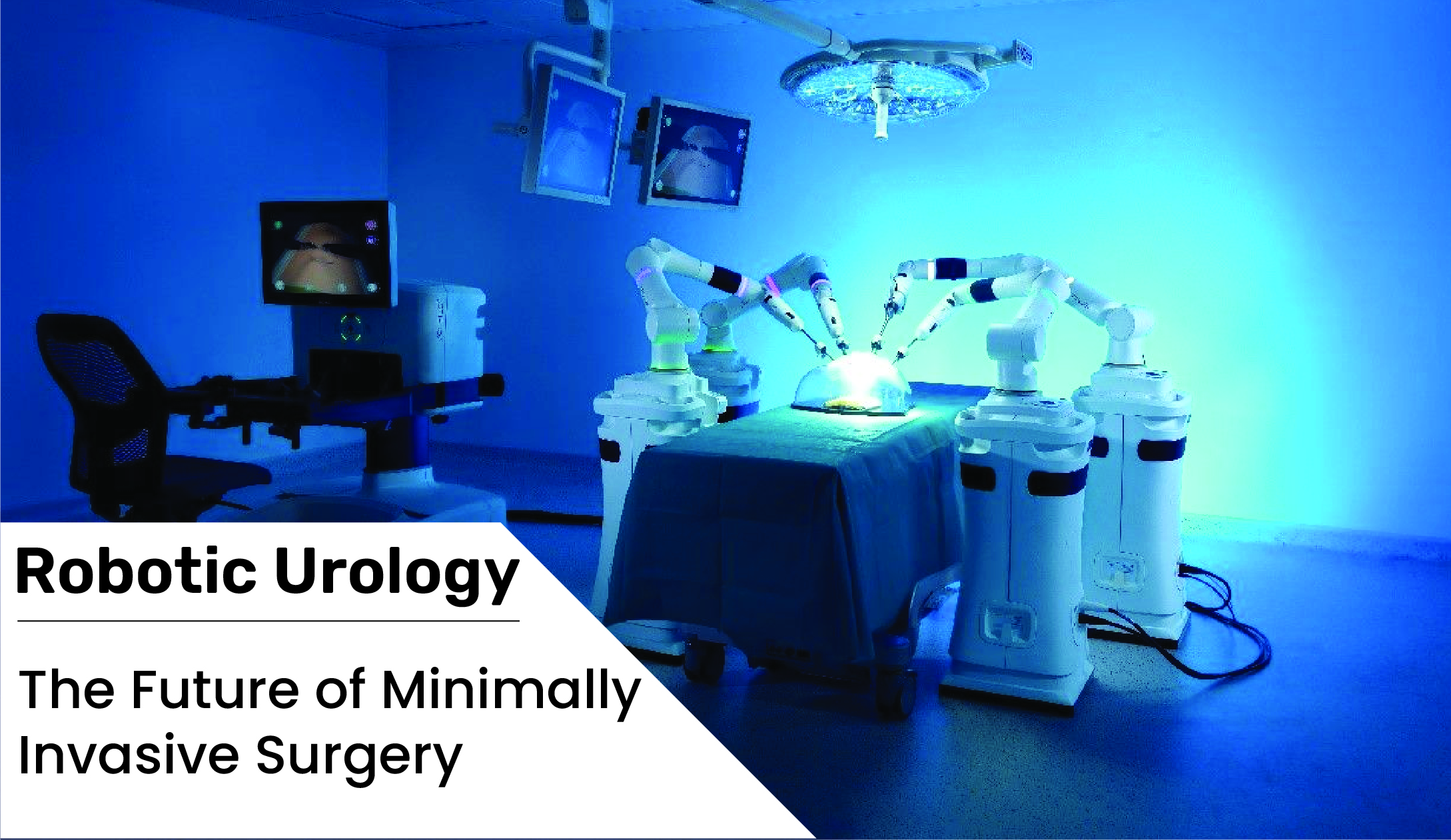
Robotic urology has rapidly changed how surgeons approach complex urological procedures. Combining high-definition 3D vision, tremor-filtered instrument control and exceptional precision, robotic systems enable safer surgery, smaller incisions and faster recovery — making them a major step forward from traditional open or laparoscopic techniques.
Robotic surgery is an advanced form of minimally invasive surgery where the surgeon operates through a console that controls robotic arms and specialized instruments. The most widely used platforms provide:
Robotic systems build on the benefits of laparoscopy and add levels of precision and control that make difficult urological operations easier to perform with better outcomes.
High-definition 3D imaging combined with wristed instruments allows fine dissection and precise suturing — critical for nerve-sparing prostatectomy and partial kidney-sparing tumor excisions.
Robotic instruments require small ports rather than large open incisions. The result: less post-operative pain, smaller scars and lower wound-related complications.
Enhanced control of tissue and vessels reduces intra-operative bleeding and the need for transfusion, which improves safety — particularly in patients with comorbidities.
Most patients undergoing robotic urological procedures are discharged sooner and return to normal activities faster than those who have open surgery.
For prostate and reconstructive surgeries, robotic precision helps preserve urinary continence and sexual function by protecting nerves and delicate structures.
The surgeon-friendly console reduces fatigue and enhances procedural consistency, which can translate into improved outcomes over long operating lists.
Several local factors explain the growing preference for robotic urology among patients in Kolkata:
Top hospitals in Kolkata increasingly offer robotic platforms, allowing patients to receive advanced surgical care locally without traveling to other metros.
Surgeons in Kolkata have gained experience and training in robotic techniques, delivering outcomes that match national and international benchmarks.
With shorter hospital stays and quicker return to work, many working professionals and caregivers in Kolkata find robotic surgery an attractive option.
Data and patient experience show favorable oncological control and functional preservation (continence, sexual function) after robotic prostate, kidney and bladder surgeries — driving patient confidence.
As information spreads and success stories accumulate, more patients actively seek robotic options after discussing risks and benefits with their urologists.
Not every patient or condition is best treated robotically; candidacy depends on disease type, stage, overall health and surgeon judgment. Typical candidates include:
Discuss individualized risks and expected benefits with your urologist to determine the best surgical approach.
Quick and easy appointment booking for your medical consultation.
Kidney stones are highly treatable today—modern laser techniques allow patients to recover faster with minimal pain.
Recovery timelines vary by procedure. Typical expectations include:
Robotic urology represents a major advance in minimally invasive surgery: greater precision, smaller incisions, reduced complications and often better functional outcomes. For patients in Kolkata, the combination of local access to robotic platforms and experienced surgeons has made robotic options increasingly attractive.
If you are considering urological surgery, discuss robotic vs laparoscopic vs open approaches with your specialist to understand which option best meets your medical needs and personal priorities.
Providing advanced urology, renal transplant, and robotic surgical care with precision, compassion, and the most modern medical technologies.
© Copyright 2018-2026 Dr. Anurag Chatterjee | Developed by SASLAB | All Rights Reserved.


