

 29th Nov
Dr. Anurag Chatterjee — MBBS (HONS) | MS General Surgery | MCh Urology & Renal Transplant
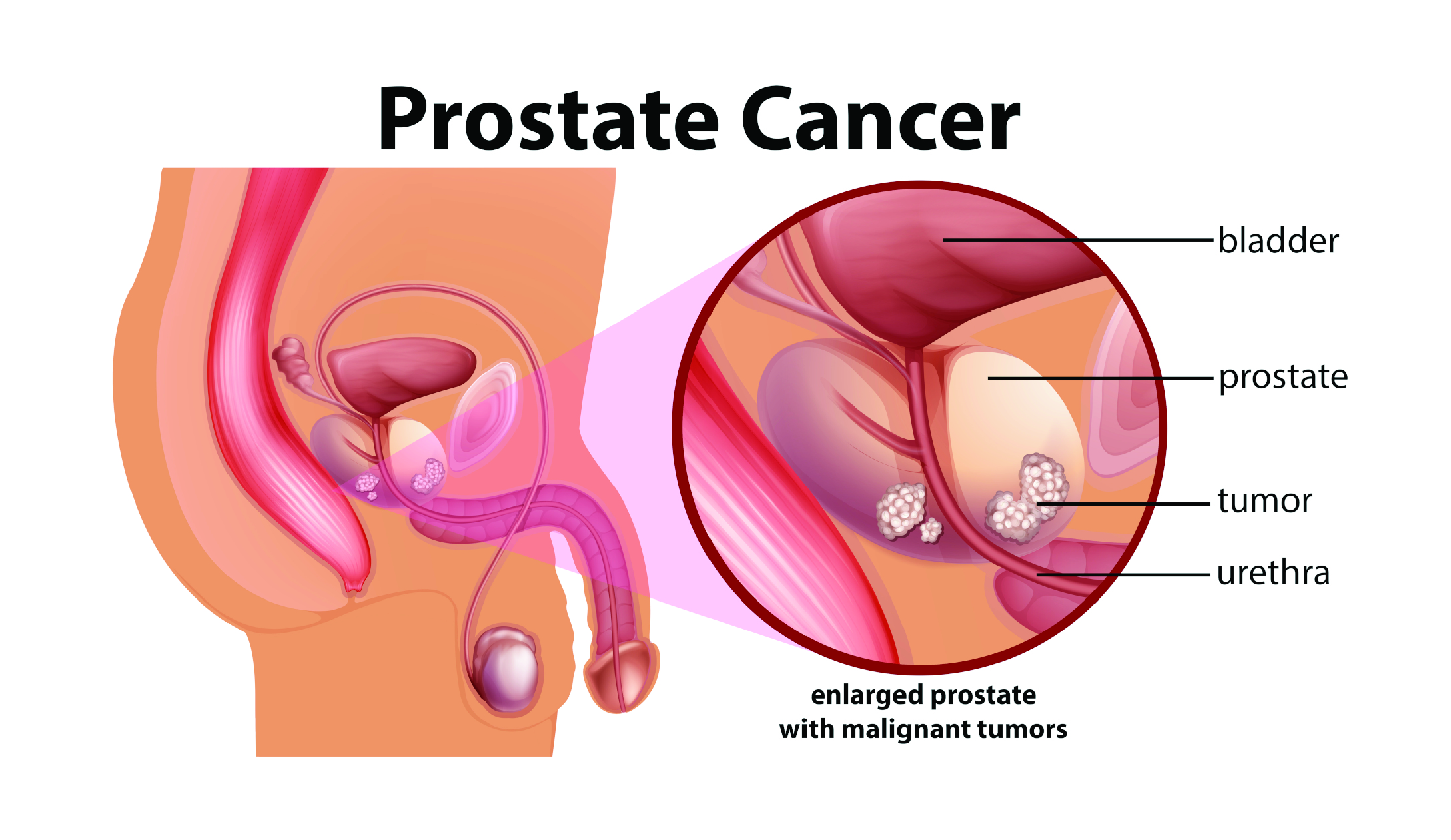
Prostate cancer is one of the most common cancers affecting men worldwide—yet, when detected early, it is also one of the most treatable. Growing awareness, regular health checkups and timely PSA screening play a crucial role in preventing serious complications. Men above the age of 50, or earlier for those with risk factors, must stay informed and proactive about their prostate health.
Understanding risk factors helps individuals identify whether they need early or more frequent screening.
Early stages of prostate cancer may show no symptoms. However, advanced or progressing cancer can present with:
Any persistent urinary symptoms or changes in sexual function should be evaluated by a urologist as early as possible.
The PSA (Prostate-Specific Antigen) test measures the level of PSA protein in the blood. Elevated levels may indicate prostate cancer, infection or enlargement.
PSA testing is the most effective simple test for early detection.
Kolkata offers advanced, globally aligned treatment options for prostate cancer. Treatment depends on stage, age, PSA levels and overall health.
Suitable for early-stage, slow-growing cancers. The patient is closely monitored with regular PSA tests, MRI scans and biopsies.
Robotic prostatectomy is now preferred due to its precision and faster recovery.
Advanced external beam radiation and brachytherapy are available in leading cancer centers across Kolkata.
Used when cancer has spread beyond the prostate or alongside other treatments.
Recommended for advanced or hormone-resistant prostate cancer.
Quick and easy appointment booking for your medical consultation.
Prostate cancer is most curable when detected early—regular screening is your strongest protection.
Prostate cancer is highly treatable when detected early. Men should stay informed, undergo regular screening and seek expert care when symptoms arise. With advanced treatment facilities and skilled urologists, Kolkata continues to offer world-class prostate cancer management.
If you have symptoms or need prostate cancer screening, schedule a consultation today. Early evaluation leads to better outcomes.
Robotic urology represents a major advance in minimally invasive surgery: greater precision, smaller incisions, reduced complications and often better functional outcomes. For patients in Kolkata, the combination of local access to robotic platforms and experienced surgeons has made robotic options increasingly attractive.
If you are considering urological surgery, discuss robotic vs laparoscopic vs open approaches with your specialist to understand which option best meets your medical needs and personal priorities.
Providing advanced urology, renal transplant, and robotic surgical care with precision, compassion, and the most modern medical technologies.
© Copyright 2018-2026 Dr. Anurag Chatterjee | Developed by SASLAB | All Rights Reserved.


